Authentik

Supply Chain Traceability for FMCG: Enhancing Transparency, Safety & Compliance

FMCG
Supply Chain
Traceability
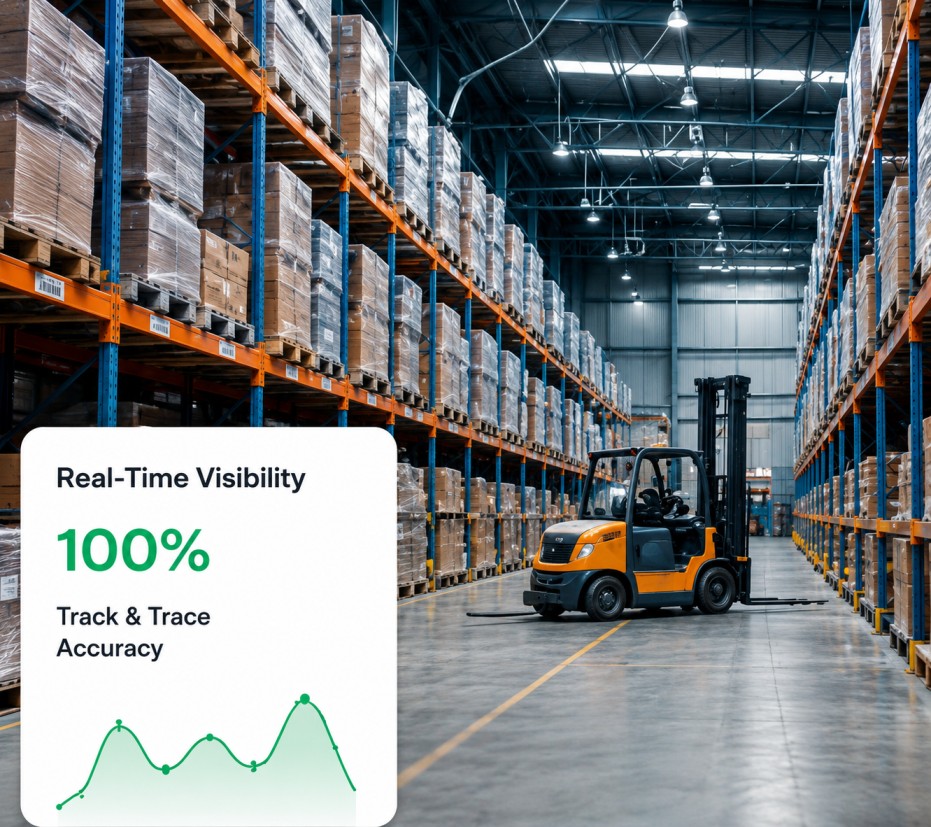
Real-time visibility.End-to-end transparency. Building trust at every step of your supply chain.

Introduction

Introduction To
FMCG Supply Chain Traceability

Supply chain traceability in the FMCG (Fast-Moving Consumer Goods) sector refers to the ability to track and trace products at every stage—from raw material sourcing to the end consumer. It ensures that every product unit can be identified, monitored, and verified throughout its lifecycle. In today’s fast-paced and highly competitive market, traceability is no longer optional; it has become a critical requirement for brands aiming to maintain quality, safety, and trust.

How FMCG Traceability Works

Manufacturing

Raw Materials & quality check

Serialization

Unique code assigned to every product

Warehousing

Batch-level tracking & inventory sync

Distribution

Real-time movement & verification

Retail

Product available on shelves

Consumer

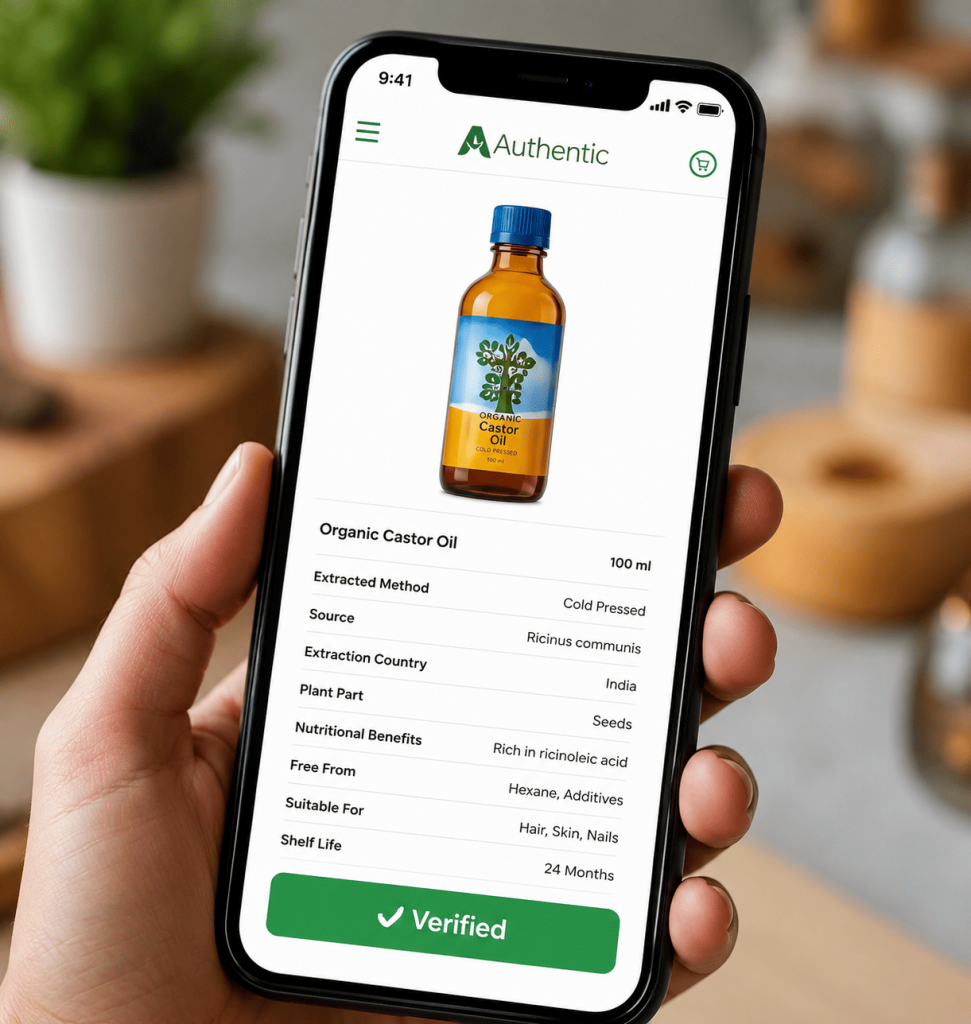
Scan & verify
authenticity

Importance of Traceability in FMCG

Traceability plays a vital role in ensuring product safety and efficient recall management. In the event of contamination or defects, companies can quickly identify affected batches and remove them from the market, minimizing risks to consumers and protecting brand reputation
Another critical aspect is regulatory compliance. Governments and international bodies are increasingly enforcing strict guidelines for product identification and tracking. Implementing systems like FMCG packaging serialization helps businesses meet these standards by assigning unique identifiers to each product unit, ensuring seamless tracking and reporting.
Brand protection is equally important. The rise of counterfeit goods has become a major concern in the FMCG industry. A robust FMCG anti-counterfeit solution enables companies to safeguard their products by verifying authenticity at every stage of the supply chain. This not only protects revenue but also strengthens consumer trust.

Key Benefits

Product Safety & Faster Recalls

Identify and act on affected batches quickly.

Counterfeit Prevention

Protect products and consumers with secure verification

Regulatory Compliance

Meet global standards and local regulations with ease.

Supply Chain Visibility

Real-time insights for better decision making.

Consumer Engagement

Build trust through transparency and verified authenticity.
Technologies Powering Traceability

Modern traceability systems are powered by a range of advanced technologies. Barcode and QR code systems are among the most widely used due to their simplicity and cost-effectiveness. They enable quick scanning and instant access to product data

RFID and IoT technologies provide enhanced tracking capabilities by allowing automatic data capture without manual intervention. These technologies are particularly useful in large-scale operations where speed and accuracy are crucial.

Blockchain is emerging as a powerful tool for secure data sharing. It ensures that information recorded in the supply chain is tamper-proof and transparent, building trust among stakeholders.

Cloud-based platforms further enhance traceability by enabling real-time data access and scalability. They allow businesses to manage large volumes of data efficiently while ensuring accessibility across different locations.

Challenges in FMCG Traceability

Despite its benefits, implementing traceability in FMCG comes with challenges. Supply chains are often complex and fragmented, involving multiple stakeholders across different regions. Ensuring consistent data flow across all these points can be difficult. Data standardization is another issue. Without uniform standards, integrating systems and sharing information becomes complicated. Implementation costs can also be a barrier, especially for small and medium-sized enterprises. However, the long-term benefits often outweigh the initial investment. Resistance to digital transformation is another common challenge. Adopting new technologies requires training and a shift in mindset, which can take time.
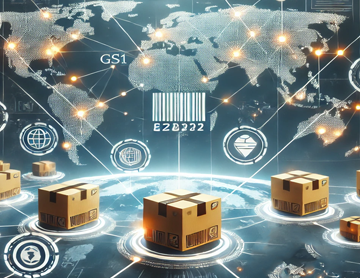
Best Practices for Effective Traceability
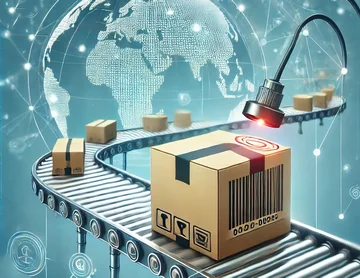
To implement traceability successfully, businesses should adopt global standards early. This ensures consistency and simplifies integration with partners.
End-to-end visibility is essential. Companies should aim to track products from origin to consumption, leaving no gaps in the supply chain.
Investing in scalable technology is another important practice. As businesses grow, their traceability systems should be able to handle increased data and complexity.

Role of GS1 Standards in Traceability

Secure data matrix codes and authentication layers prevent duplication, tampering, and reuse.
These standards ensure interoperability across different systems and stakeholders, making it easier to track products globally. By adopting GS1 standards, businesses can enhance accuracy, efficiency, and compliance.
Standardized data exchange also improves collaboration across the supply chain, enabling seamless communication and better coordination.

Future of Traceability in FMCG

The future of traceability in FMCG is closely tied to digital transformation. Technologies like AI and predictive analytics will enable businesses to anticipate issues and optimize operations proactively
Sustainability and ethical sourcing are also gaining importance. Consumers are increasingly demanding environmentally responsible products, and traceability systems can provide the necessary transparency.
Regulatory requirements are expected to become more stringent, further driving the adoption of advanced traceability solutions.

Build a Transparent, secure & Smarter FMCG Supply chain

Authentik empowers businesses with end to end traceability solutions to protect your brand, ensure compliance, and deliver trust to your consumers.
Scroll to Top